
25
AugIn most injury and malpractice litigation, the medical questions decide the case. Was the standard of care breached? Did the conduct cause the outcome? What will this injury cost over a lifetime? Juries cannot answer those questions on their own and neither can counsel.
That is the job of the medical expert witness. Retained well, the right physician clarifies the case, disciplines the theory, and gives settlement discussions real weight. Retained late or matched poorly, the same role becomes the case’s weakest point.
Here is what attorneys should know about the role, when it is needed, and how to select an expert whose opinion holds up.
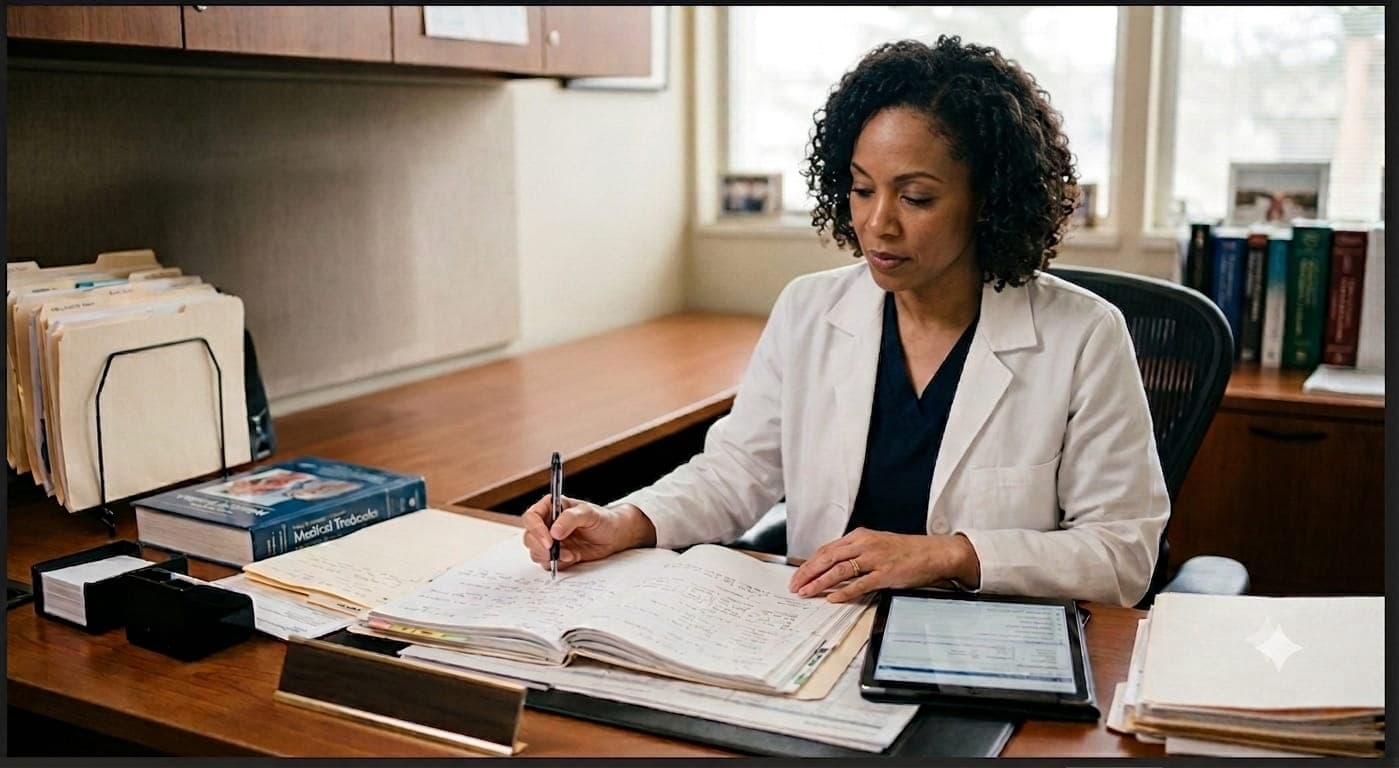
A medical expert witness is a physician, nurse, or other healthcare professional retained to apply clinical knowledge to the facts of a legal matter reviewing records, forming opinions, and, when needed, testifying to those opinions in deposition or at trial.
The role comes in two forms. A consulting expert works behind the scenes: evaluating merit, identifying weaknesses, and helping counsel understand the medicine. A testifying expert is disclosed, deposed, and takes the stand. Many engagements start as consulting work and convert once the theory is confirmed which is one reason early retention pays for itself.
Medical malpractice: Nearly every jurisdiction requires expert testimony to establish the standard of care and its breach and many require a pre-suit affidavit or certificate of merit from a qualified physician before the case can even be filed. A medical malpractice expert witness in the same specialty as the defendant is typically not optional; it is a filing requirement.
Personal injury: Causation and damages are medical questions: whether the crash caused the herniation, whether future surgery is probable, what ongoing care is reasonable. Medical expert testimony connects the record to the demand.

Product liability and toxic exposure: These cases turn on general and specific causation, often requiring specialized expert witness services to provide multiple healthcare witnesses a treating-specialty physician plus epidemiology, toxicology, or pharmacology support.
Insurance, disability, and workers’ compensation: Independent medical examinations and record reviews resolve disputes about diagnosis, causation, impairment, and treatment reasonableness.
The visible work is testimony. Most of the value is created earlier:
Three patterns account for most expert problems we see.
Waiting too long. When the expert is retained after the theory is fixed, their role shrinks to validating decisions already made and any weakness they find arrives too late to fix cheaply.
Defaulting to the familiar name. The expert who served well in the last three cases may be a specialty mismatch for this one. Convenience is not a vetting standard.
Vetting the CV but not the record. Credentials are the starting point. Publication history, prior testimony, and challenge history are where problems hide.
The practical obstacle is rarely understanding the need it is finding a precisely matched, conflict-free, available specialist fast enough to use them early. Internal contact lists rarely reach the subspecialty depth complex cases demand. That is what medical expert witness services solve.
At Homestead, we identify and vet physicians across the full range of medical, surgical, and nursing specialties credentials, active practice status, and prior challenge history reviewed before any introduction. Attorneys speak directly with the matched expert before committing, with no subscriptions and no upfront fees.
If the medicine will decide your case, get the right physician on it early. Request an expert and evaluate the fit before you commit.