
Published At 02 Jan, 2025
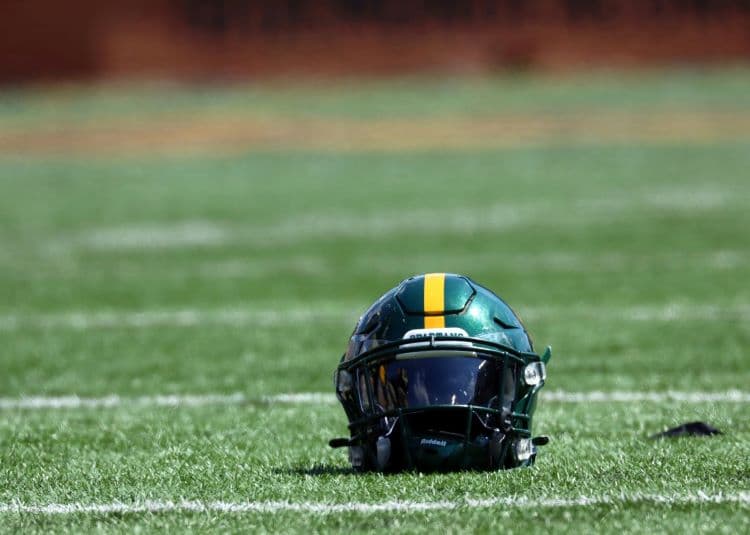
The National Football League (NFL) concussion settlement was finalized nearly a decade ago. It marked a pivotal moment in sports history and the ongoing conversation about athlete safety. This settlement arose from a class-action lawsuit involving over 4,500 former players. They alleged that the league failed to protect them from long-term brain injuries resulting from repeated head trauma. As the agreement continues to influence discussions about player health, it’s essential to understand its intricacies. Particularly the diagnoses it encompassed and the role of medical examiners in determining eligibility for compensation.
The NFL agreed to a settlement in 2013, later finalized in 2015. This landmark agreement established a compensation fund of $765 million. It was later uncapped, to address former players’ and their families’ medical and emotional needs. The settlement covers 65 years, reflecting the long-term nature of brain injuries and their potential to develop or worsen over time.
One of the settlement’s most critical aspects was its focus on specific neurological diagnoses, which would determine eligibility for compensation. This focus highlighted the complexity of diagnosing brain injuries and their impact on players’ lives, underscoring the need for an objective, standardized medical examination process.
The settlement recognized several neurological conditions linked to repeated concussions and traumatic brain injuries (TBI). The primary diagnoses covered included:
A critical settlement component was establishing a nationwide network of approved medical examiners. These physicians, trained in neurology, psychiatry, and other related fields, played a key role in:
The role of medical examiners was not without challenges. They often encountered:
The NFL concussion settlement shed light on the long-term consequences of repetitive head trauma, prompting changes in how sports organizations address player safety. It also underscored the importance of comprehensive medical evaluations in addressing claims of injury and disability. The network of approved medical examiners set a precedent for similar processes in future settlements or legal cases involving traumatic injuries.
The NFL concussion settlement remains a landmark in addressing the long-term health implications of sports-related brain injuries. By including a range of neurological conditions and establishing a network of medical examiners, the settlement compensated former players. It emphasized the need for ongoing vigilance and care in the athletic world. As the conversation about player safety evolves, this settlement serves as both a cautionary tale and a call to action for leagues, players, and medical professionals worldwide.