
Published At 09 Mar, 2026
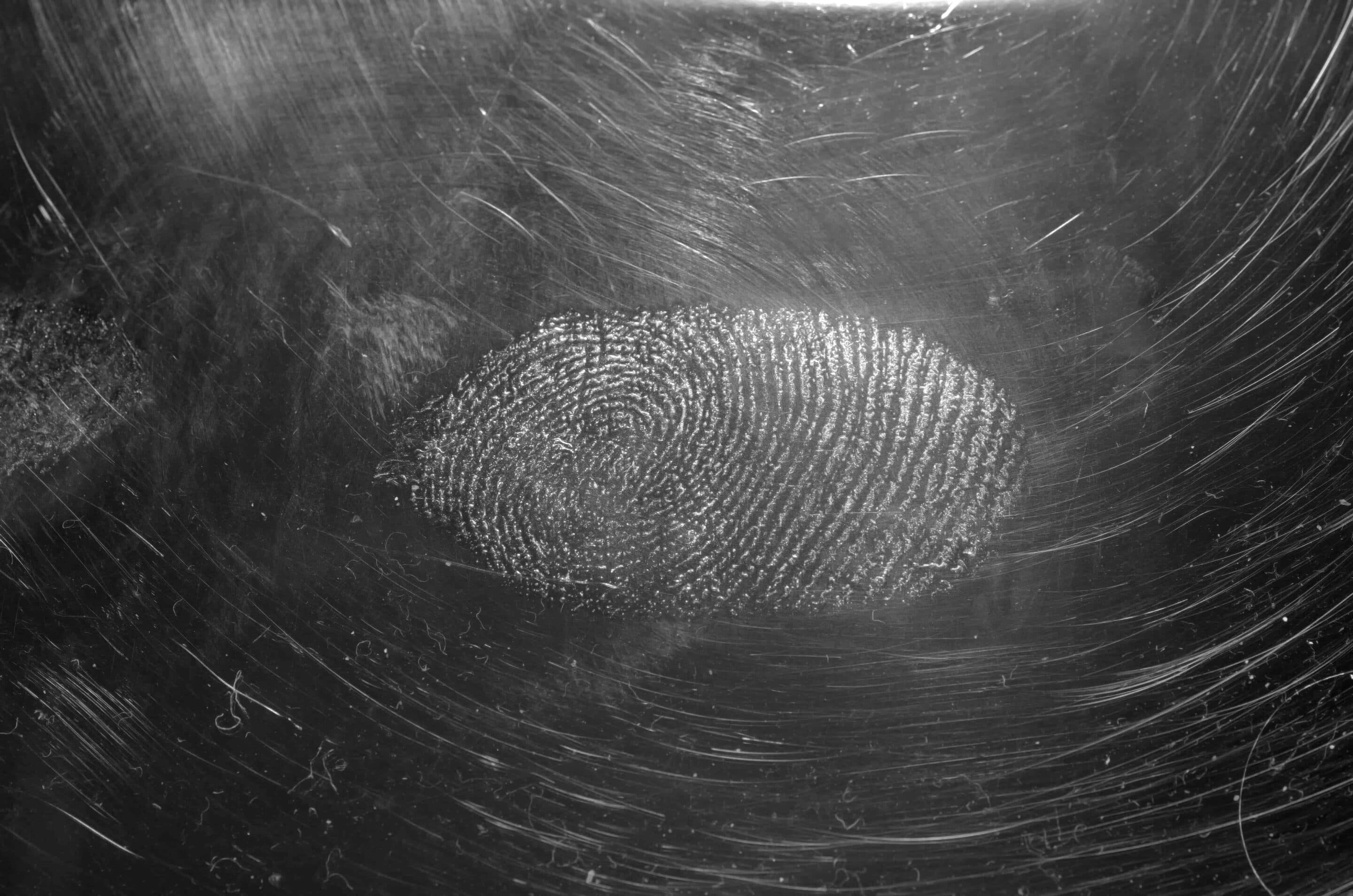
When attorneys ask what do forensic scientists do in civil cases, they are usually confronting a complex question of causation. Although forensic science is often associated with criminal trials, it also plays an important role in civil litigation.
In many civil cases, the disagreement is not over what happened. It is over what caused it. That is where forensic analysis becomes essential. In civil litigation, forensic scientists are typically brought in when the facts alone do not answer the central question: why did this happen? Their role is to examine evidence, interpret technical findings, and explain how those findings relate to the disputed event.
That work appears in many types of cases. Personal injury claims may involve injury mechanisms. Product liability cases may require failure analysis. Environmental exposure disputes may depend on interpreting testing data. In each situation the expert’s job is to connect scientific evidence to the legal issue being argued.

Civil courts do not conduct scientific analysis themselves. Instead, they rely on qualified experts to apply established methods and explain the results. That process is what allows technical evidence to be examined within a legal framework.
In practice, forensic experts work from the evidence outward. They review records, examine physical materials, evaluate test results, and consider competing explanations before forming an opinion.
Their analysis must follow accepted scientific methods because those conclusions will almost certainly be examined during deposition and cross-examination.
For example, a forensic scientist may:
Unlike fact witnesses, forensic experts are permitted to offer opinions based on their expertise. As a result, their analysis can influence settlement discussions, summary judgment arguments, and trial outcomes.
Courts often rely on standards recognized by organizations such as the American Academy of Forensic Sciences when evaluating the reliability of forensic testimony.
A common question in wrongful death or medical negligence cases involves a forensic pathology expert witness.
A forensic pathologist evaluates the cause and manner of death by reviewing autopsy findings, toxicology reports, and medical records. In civil litigation, this analysis can clarify how injuries occurred and whether outside factors contributed to a death.
A forensic pathologist may:
You can explore more about this specialty on our Autopsy or Forensic Pathology Expert Witness page.
However, not every case involving an autopsy requires only a forensic pathologist. Many disputes require input from multiple scientific disciplines.
Civil cases often involve technical failures or environmental exposure. In those situations, attorneys may rely on forensic specialists in several fields, including:
Each discipline answers a different scientific question. For example, engineering experts may investigate structural collapse or equipment failure. Digital forensic specialists analyze electronic data. Environmental experts evaluate exposure levels and potential health impacts.
Therefore, when considering what forensic scientists do, the more useful question is often: which scientific discipline best addresses the legal issue in the case?
Attorneys often begin with a focused request for a specific type of expert. However, the scientific issue may be broader than it first appears.
In one defense-side personal injury matter, counsel initially sought an expert opinion on an autopsy to determine whether mold exposure contributed to a death. The decedent had experienced acute respiratory arrest and status asthmaticus that ultimately resulted in brain death.
Separate environmental reports indicated extremely high mold levels in the rented home, reportedly caused by hurricane-related water intrusion.
At first glance, the case appeared to require only a forensic pathologist. However, the core issue involved environmental exposure and medical causation.
“Attorneys frequently approach us requesting a specific type of expert,” says Natalia Granados, Expert Witness Recruiter at Homestead. “However, once we review the full case summary, we often identify additional scientific angles that could materially affect the opinion. Our role is to align the discipline with the causation pathway.”
Evaluating whether mold exposure contributed to the death required more than reviewing an autopsy report. It required analysis of environmental testing data, medical records, toxicology standards, and exposure thresholds. Selecting the correct discipline therefore became central to the defense strategy.

This example illustrates a broader point. When attorneys ask what forensic scientists do in civil cases, the answer often depends on selecting the right scientific lens from the beginning.
Civil litigation operates under a preponderance of the evidence standard. Scientific analysis can therefore play a decisive role in determining liability.
Forensic experts help by:
Importantly, courts increasingly scrutinize expert methodology and qualifications. Choosing the right forensic expert is therefore critical.
Not every forensic scientist fits every dispute. The expert’s discipline must align closely with the specific legal question.
For example:
If you are evaluating expert support, explore the full range of forensic experts at Homestead to determine which discipline best fits your case.
So, what do forensic scientists do in civil cases?
Their role is straightforward but important. Forensic scientists analyze the evidence, test competing explanations, and provide opinions grounded in their field of expertise.
Those opinions shape how a case is argued and how events are ultimately understood.
Whether working as forensic pathologists, engineers, accountants, or digital analysts, these experts do the important work of translating the technical evidence into insights courts can use.
Understanding what forensic scientists do is not simply about defining a profession. It is about recognizing how the right expert can shape the direction of a case.